Specification and Renovation Project of Composite Wear-Resistant Pipes
1. Product Introduction
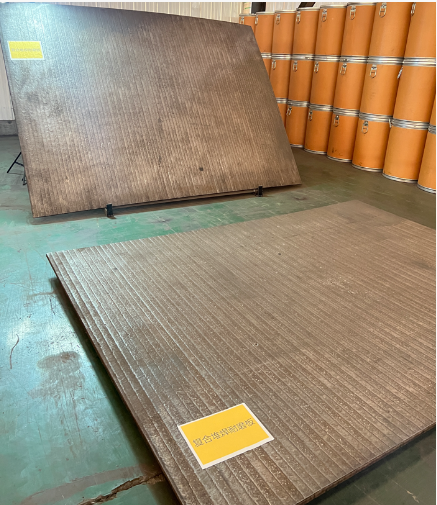
Surfacing wear-resistant pipes are composite pipes fabricated by depositing one or more layers of high-hardness, wear-resistant alloy materials on the inner wall surface of ordinary steel pipes (usually carbon steel such as Q235) through an automated surfacing welding process. Essentially, they represent a perfect integration of a flexible substrate (steel pipe) and a hard armor (surfacing layer).
The base pipe is typically made of low-carbon steel, such as Q235 or Grade 20 steel. Its functions are to provide structural strength and toughness for the pipe, withstand pressure, serve as support and connection components, and ensure the overall machinability (e.g., welding, flange connection) and impact resistance of the pipe. The surfacing wear-resistant layer is mainly composed of high-chromium alloy series (such as high-carbon high-chromium cast iron alloys like Cr27 and Cr30), whose metallographic structure contains a large number of high-hardness Cr7C3 carbide structures. Common manufacturing processes include open arc welding or submerged arc welding, combined with automated equipment, to perform spiral continuous surfacing on the inner wall of the pipe. The product features extremely high hardness—the surface hardness of the surfacing layer can reach HRC 55–65, which is much higher than that of ordinary steel. It also boasts excellent wear resistance, being 15–30 times more wear-resistant than ordinary steel pipes, or even higher. The bonding with the substrate is metallurgical bonding, featuring high bonding strength and resistance to spalling.
Working PrincipleOrdinary steel pipes are subject to direct impact and scraping by materials; due to the relatively soft nature of steel itself, they wear out rapidly. In contrast, surfacing wear-resistant pipes use the hard surfacing layer as the
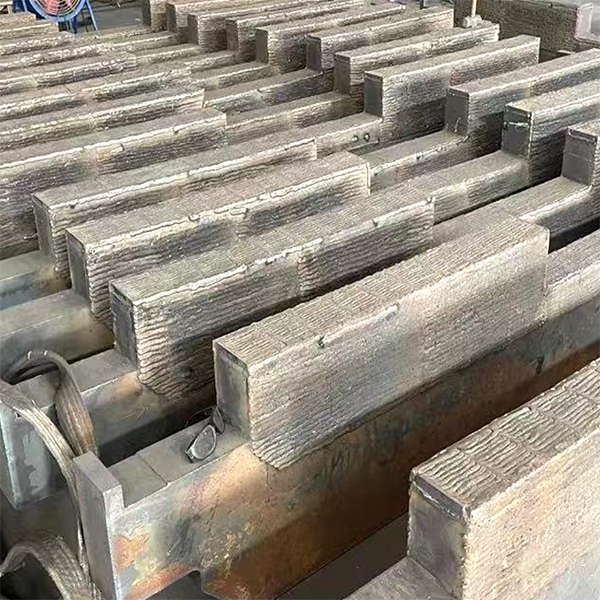
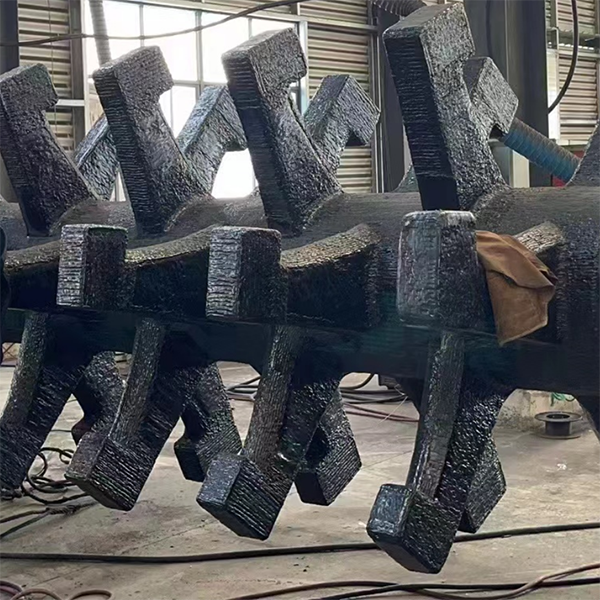
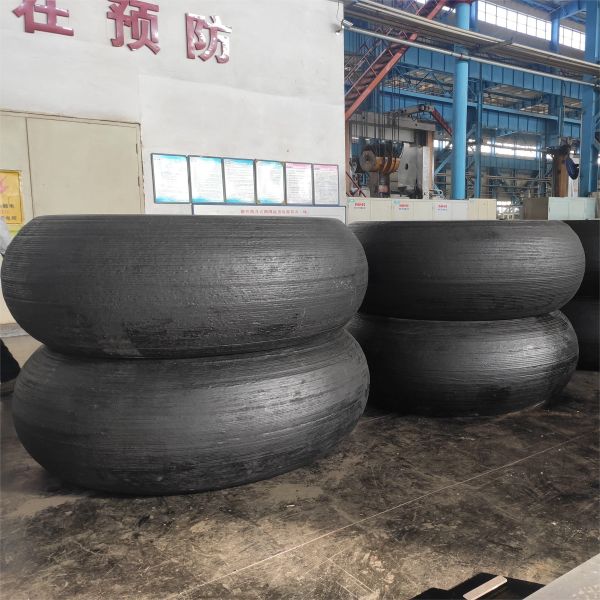
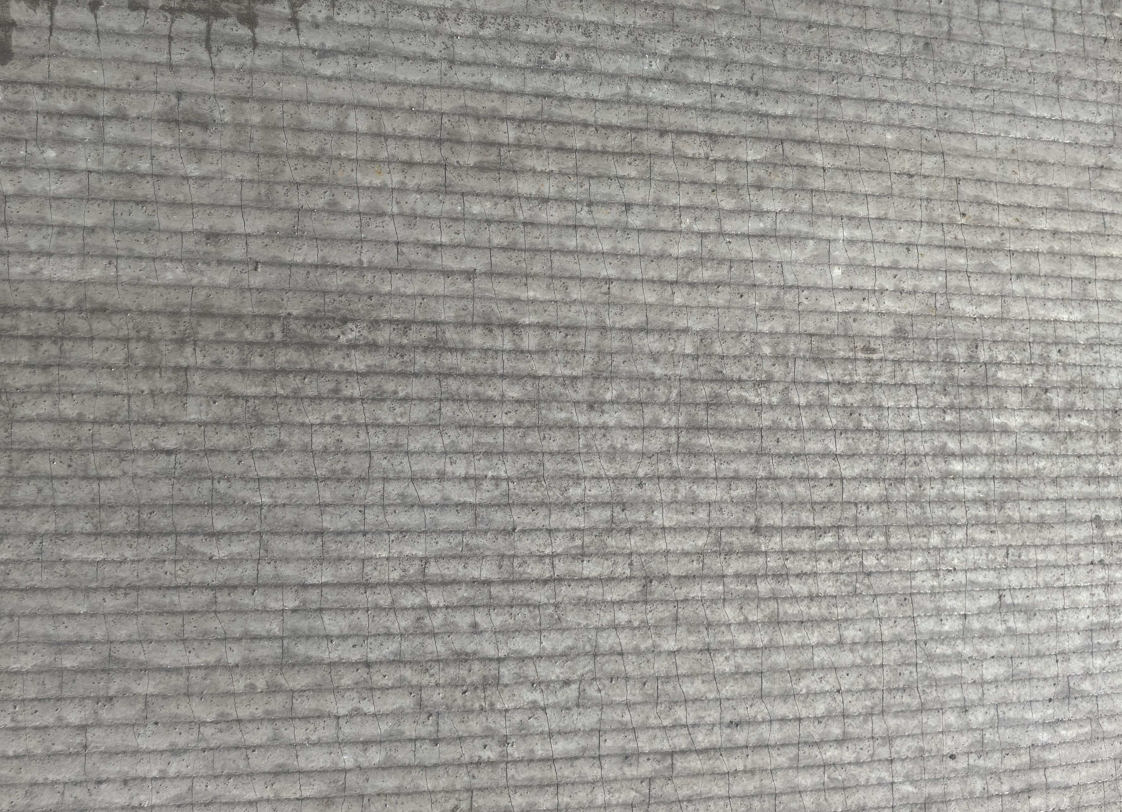
first line of defense to resist the cutting and impact of materials. The surfacing layer usually presents a regular fish-scale or corrugated pattern, which not only enhances surface hardness but also alters the flow state of materials, reducing frontal impact and further minimizing wear.
Manufacturing Process Flow
Pre-treatment: The steel pipe is first straightened, derusted, and cleaned.
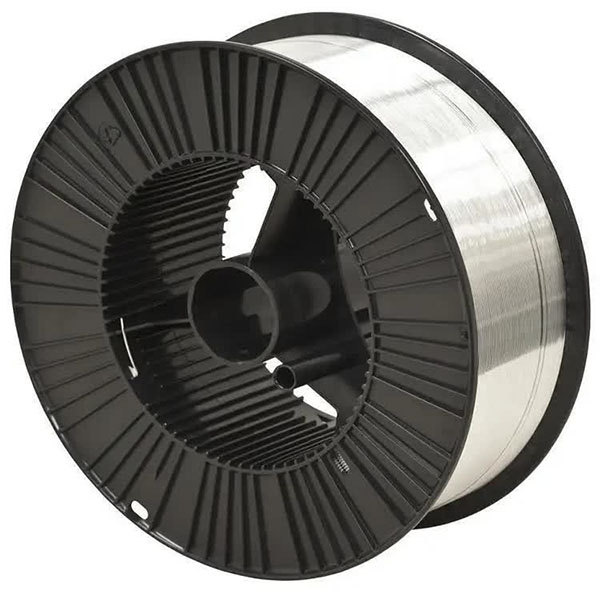
Surfacing Welding: The pre-treated steel pipe is clamped on special equipment; while rotating and moving forward, a welding torch performs spiral continuous surfacing on the inner wall. The entire process features high automation, ensuring the surfacing layer is uniform, continuous, and free of defects.
Post-weld Treatment: Finally, post-weld processes such as slow cooling, grinding, and inspection are carried out.
Surfacing wear-resistant pipes are high-performance composite pipes that perfectly combine ultra-hard wear-resistant alloys with high-toughness steel pipes via advanced welding technology. They achieve an optimal balance of wear resistance, impact resistance, and machinability, and are recognized as one of the solutions with the best comprehensive performance, widest application scope, and highest reliability in the field of heavy-wear industrial material transportation. They serve as key components to guarantee the continuous, efficient, and stable operation of industrial production.
2. Renovation Project
Due to corrosive erosion and wear on on-site pipes, the wear-resistant layer has spalled in some pipe sections, while severe wear has led to leakage accidents in other sections. Therefore, the technical specifications for the wear-resistant pipes in this project stipulate the following requirements for the pipes supplied by vendors:
The pipes shall adopt the
composite double-layer surfacing welding process:
First Layer: The first surfacing layer inside the pipe shall be welded using welding wire of Grade 308 stainless steel or higher grade. This layer serves as both a corrosion-resistant layer and a transition substrate for the hard surfacing layer, with a specified thickness of 4mm. Defects such as porosity, cracks, and slag inclusions are strictly prohibited in this layer.
Second Layer: The second surfacing layer shall be welded using high-chromium cast iron welding wire to provide wear resistance, with a minimum thickness of 4mm. The material of this layer shall be of Grade KmTBCr15Mo or KmTBCr26, with a hardness of ≥ 60 HRC. Cracks are permitted in this wear-resistant layer, provided that the crack depth is controlled within 4mm and does not propagate to the stainless steel surfacing layer.