


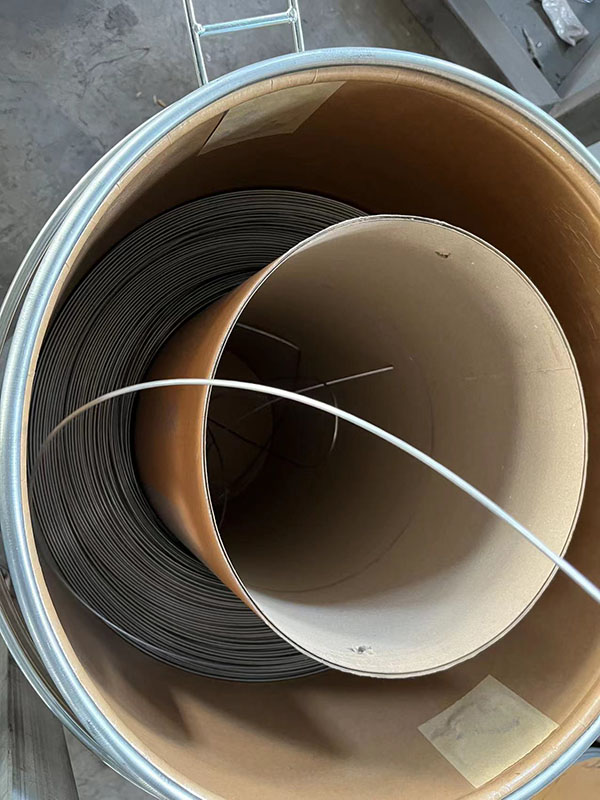
Guide for Selecting Wear-Resistant Welding Wires
Definition and Core Value of Wear-Resistant Welding Wires
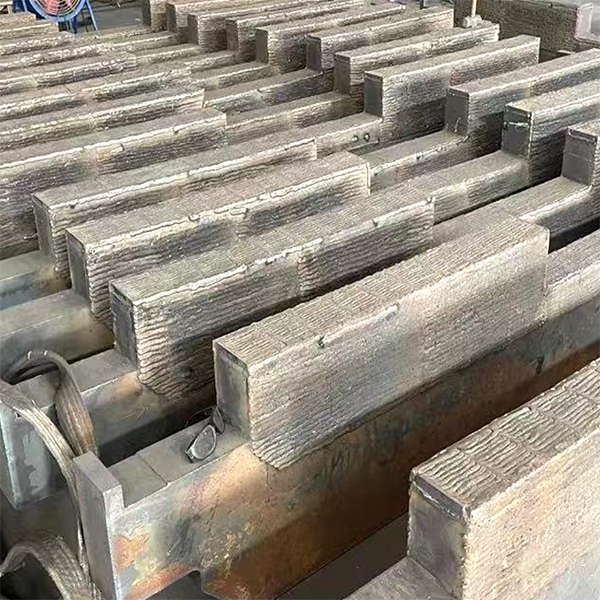
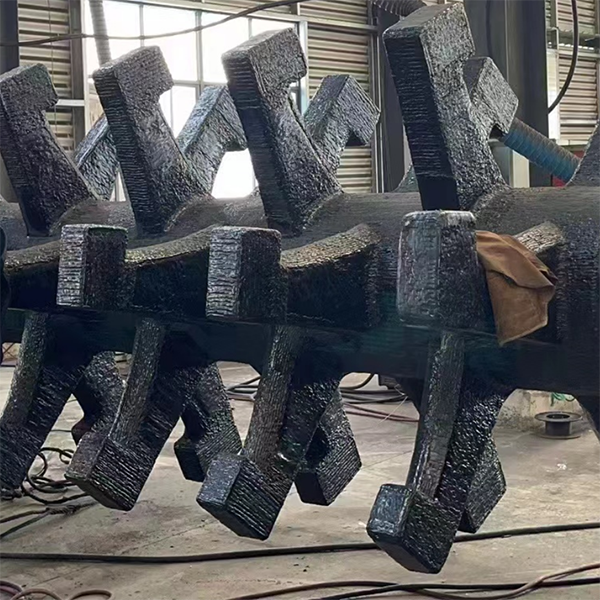
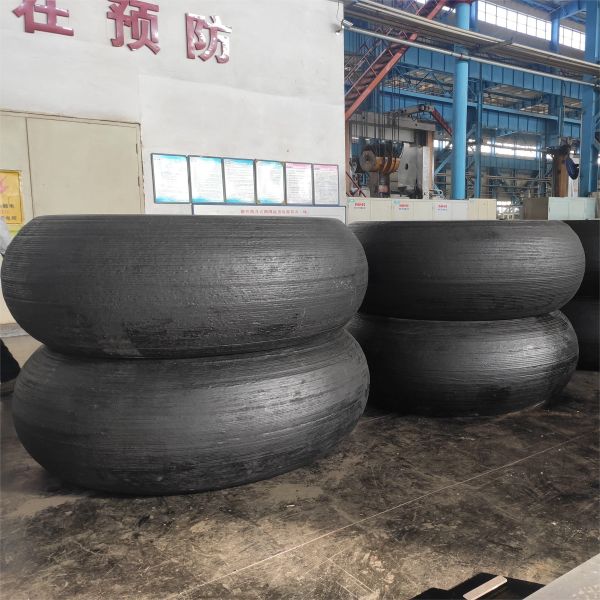
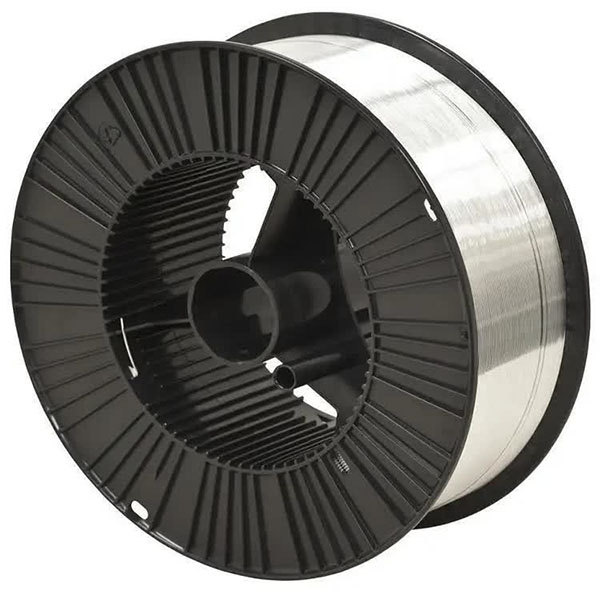
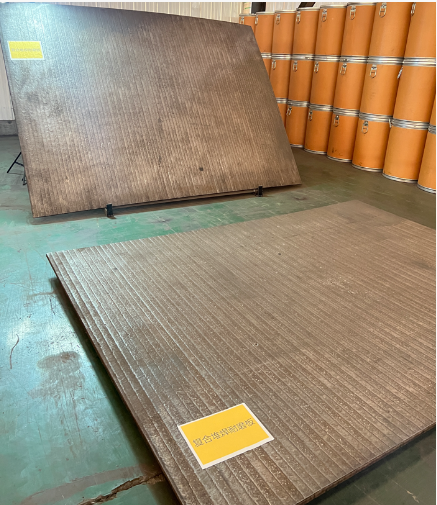
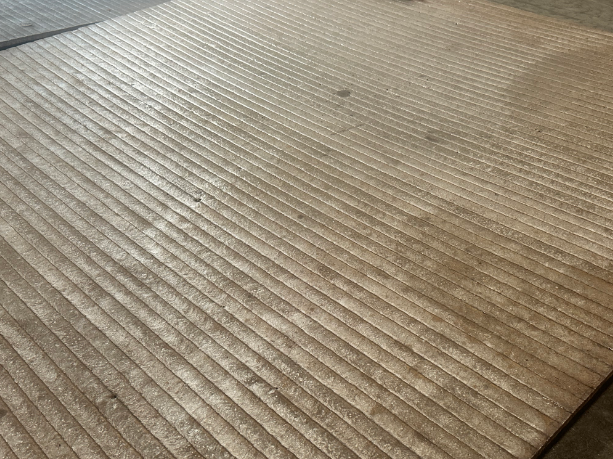
Wear-resistant welding wire is a type of welding material specially designed for surfacing processes. By depositing a surfacing layer with high hardness and wear resistance on the surface of ordinary base materials, it enhances the ability of equipment components to resist damage caused by wear, corrosion, impact, and other factors. Its core value lies in achieving a leap-forward improvement in base material performance at a relatively low material cost, avoiding the cost waste associated with the use of high-alloy materials for the entire component. Meanwhile, it provides repair and regeneration functions for damaged parts, significantly extending the service life of equipment. Compared with traditional wear-resistant materials, wear-resistant welding wire boasts advantages such as flexible construction, strong bonding between the surfacing layer and the base material, and high performance controllability, making it a core material for achieving "quality improvement and efficiency enhancement" in the field of surface engineering.
Core Significance of Selection: Cost Reduction, Efficiency Improvement and Extension of Equipment Service Life
The selection of wear-resistant welding wire directly determines the performance of the surfacing layer and the operational efficiency of equipment, serving as a key link to achieve "cost reduction and efficiency improvement". In industrial production, wear is the primary cause of equipment failures and component replacements, accounting for more than 60% of equipment losses. Reasonably selected wear-resistant welding wire can extend the service life of components by 3–5 times or even longer, greatly reducing the frequency of component procurement and replacement, as well as cutting down downtime for maintenance and labor costs. Conversely, improper selection can lead to premature spalling, cracking, and wear of the surfacing layer. This not only fails to provide protective effects but may also accelerate the damage of the base material due to the failure of the surfacing layer, resulting in secondary losses. For instance, in the working conditions of mine crushers, the use of suitable high-chromium cast iron welding wire can extend the service life of jaw plates from 1 month to over 6 months, saving hundreds of thousands of yuan in operation and maintenance costs per unit of equipment annually, which fully demonstrates the core value of proper selection.
Composition Characteristics and Performance Parameters
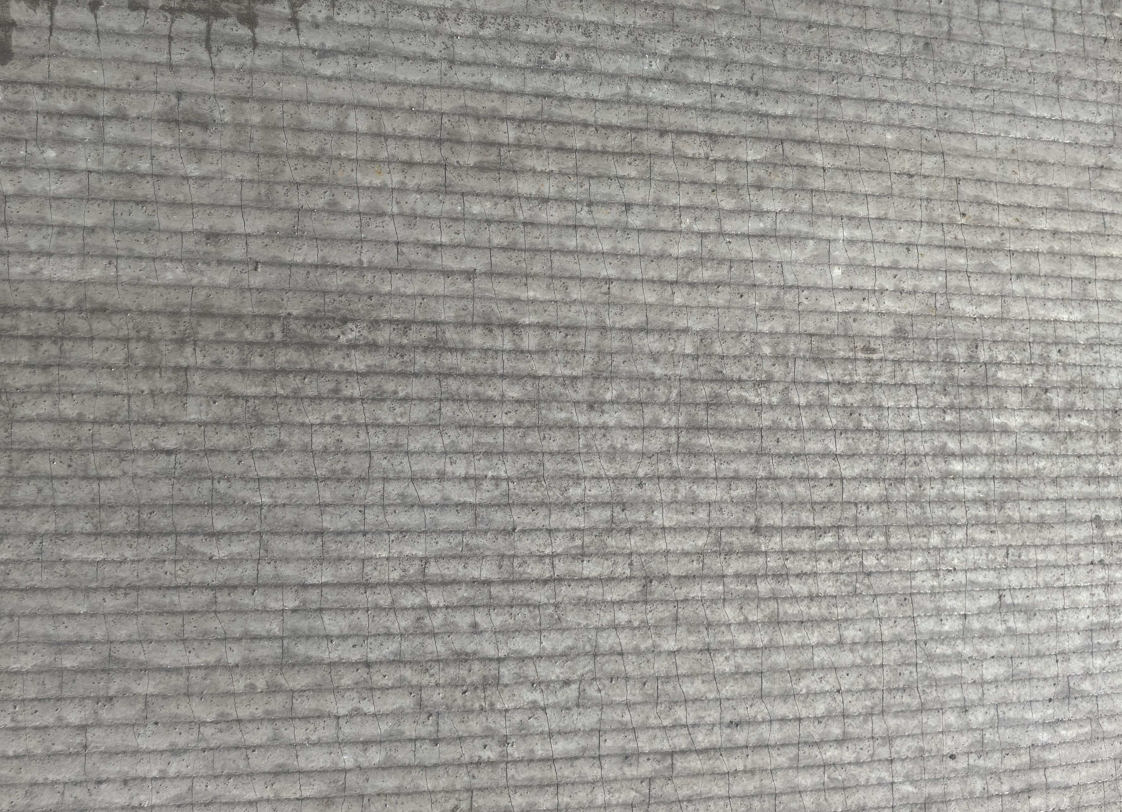
High-chromium cast iron wear-resistant welding wire is characterized by high carbon and high chromium as its core components, with a typical composition ratio of 2.5%–4.0% carbon (C) and 15%–35% chromium (Cr). Some products incorporate elements such as molybdenum (Mo), tungsten (W), and nickel (Ni) to optimize performance. Carbon and chromium form a large number of Cr7C3 hard carbides, which are the core source of the high hardness of the surfacing layer. Molybdenum and tungsten can improve the stability and high-temperature wear resistance of carbides, while nickel is used to enhance toughness and weldability, reducing the risk of cracking. Its core performance parameters are as follows: the hardness ranges from 55 to 65 HRC, the impact energy Ak at room temperature is ≤ 20 J, the temperature resistance of the surfacing layer is ≤ 400 °C, and the appropriate welding dilution rate should be controlled within 15%–25%. It is suitable for room-temperature heavy abrasive wear working conditions.
Advantages and Limitations
Cobalt-based/nickel-based alloy welding wires offer outstanding advantages such as excellent high-temperature resistance, corrosion resistance, and anti-adhesive wear capability. Under working conditions involving high temperatures (above 600 °C), corrosive media (flue gas, acid-alkali solutions), and adhesive wear (friction between metals), their performance far surpasses that of other types. Cobalt-based welding wires exhibit remarkable high-temperature oxidation resistance and high-temperature creep resistance, while nickel-based welding wires are excellent in corrosion resistance, with both possessing good toughness and strong impact resistance to withstand medium loads. Their main limitations lie in the extremely high cost: the material cost of cobalt-based welding wire is 8–12 times that of high-chromium cast iron welding wire, and nickel-based welding wire is 5–8 times that of high-chromium cast iron welding wire, which restricts their large-scale application. Additionally, they have weak resistance to heavy abrasive wear and are less wear-resistant than high-chromium cast iron welding wire in working conditions with heavy abrasives such as quartz sand and ores. Thus, they are only suitable for light abrasive wear combined with high-temperature/corrosive working conditions.
Applicable Wear Types
Cobalt-based/nickel-based alloy welding wires are mainly suitable for high-temperature corrosion wear and adhesive wear working conditions, including high-temperature oxidation wear, high-temperature gas corrosion wear, adhesive wear between metals, and abrasion wear in corrosive media. Typical application scenarios include water walls of power plant boilers, grinding rollers of coal mills (high-temperature parts), inner walls of chemical reactors, and aero-engine components. They can maintain stable performance of the surfacing layer in harsh environments, ensuring the long-term operation of equipment.
Other Special Types of Wear-Resistant Welding Wires (High-Manganese Steel Type, Composite Welding Wire, etc.)
In addition to the three mainstream categories, wear-resistant welding wires also include special types such as high-manganese steel type and composite welding wire, which provide customized solutions for specific working conditions. High-manganese steel welding wire has a core composition of 10%–14% manganese (Mn) and 1.0%–1.2% carbon (C). The surfacing layer has an austenitic structure, which undergoes work hardening when subjected to impact, with its hardness increasing from 20–30 HRC to 45–50 HRC. It has excellent resistance to heavy impact wear and is suitable for heavy impact working conditions such as excavator bucket teeth, crusher hammers, and railway turnouts. However, it has poor wear resistance at room temperature and needs to rely on impact hardening to exert its effect. Composite welding wires are divided into two categories: bimetallic composite and coating composite. Bimetallic composite welding wires (e.g., steel core + cemented carbide coating) combine the toughness of the substrate with the wear resistance of the surface layer. Coating composite welding wires improve temperature resistance and corrosion resistance through surface coatings, making them suitable for high-end customized working conditions such as high-end engineering machinery and precision mechanical parts. Nevertheless, their production process is complex and the cost is relatively high.
