


Customization Empowers Multiple Industries: The Adaptive Innovation Practice of Custom Wear-resistant Parts Processing Technology at Shandong Xinyuan Botong Wear-resistant Materials Co., Ltd.
Amidst the roar of mining operations, the high temperatures of metallurgical smelting, and the hustle and bustle of port transshipment, wear-resistant parts serve as the "vital components" of core machinery. Their performance directly determines the operational efficiency and maintenance costs of equipment. As downstream industries shift toward large-scale, high-efficiency, and refined development, general-purpose wear-resistant parts are no longer able to adapt to the complex working conditions of different scenarios—the high-impact abrasive wear in mines, the high-temperature corrosive environments in metallurgy, and the humid high-frequency friction in ports all impose differentiated requirements on the material, structure, and performance of wear-resistant parts. With years of dedication in the wear-resistant materials sector, Shandong Xinyuan Botong Wear-resistant Materials Co., Ltd. (hereinafter referred to as "Xinyuan Botong") has focused on the customized needs of multiple industries, built a core technology system featuring "working condition adaptation, material customization, precision processing, and full-cycle services", and solved industry pain points with targeted processing solutions, thus becoming a trusted partner in fields such as mining, metallurgy, and ports.
The rise of customized processing technology stems from the accurate insight into industry pain points. At present, the wear-resistant parts market is generally plagued by the mismatch between general-purpose products and special working conditions. In the mining industry, coal mine chute liners made of ordinary high-manganese steel are prone to deformation and material leakage due to the severe impact of coal gangue. The monthly shutdown frequency of 1-2 times for replacement leads to annual losses exceeding 5 million yuan. In the metallurgical industry, the sinter conveying pipelines have to withstand both high temperatures above 600℃ and particle scouring, resulting in the service life of conventional alloy steel wear-resistant parts being only 3-6 months. For the supporting rollers at port bulk cargo terminals, continuous friction with coal and ore in humid environments accelerates corrosion and wear, and frequent replacements seriously affect the efficiency of 24-hour continuous operations. Data shows that equipment downtime losses and replacement costs caused by inadequate adaptability of wear-resistant parts account for more than 30% of the total maintenance expenditure of downstream enterprises, becoming a key bottleneck restricting cost reduction and efficiency improvement in the industry.
Xinyuan Botong deeply recognizes that customization is the core path to solving the adaptation problem. Different from the product-centric mass production mode of traditional enterprises, the company has established a working condition-oriented customized R&D system. By accurately analyzing the wear mechanisms, environmental characteristics, and equipment requirements of different industries, it realizes full-dimensional customization of wear-resistant parts from material formulation to structural design. The core advantages of its customized processing technology are reflected in the collaborative innovation of three key dimensions: material selection, structural design, and precision processing.
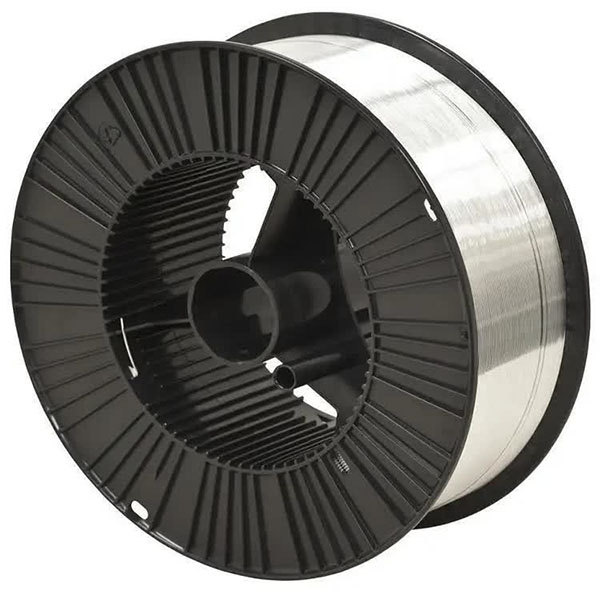
In terms of material customization, Xinyuan Botong has built a multi-system wear-resistant material library to achieve precise matching between working conditions and materials. For the high-impact and high-wear working conditions in the mining industry, it has developed high-chromium alloy composite materials. By adjusting the proportion of alloy elements such as chromium, molybdenum, and vanadium, the material hardness reaches above HRC60 while maintaining good toughness. It can withstand the impact of coal gangue over 1000kg, and its service life is 5 times longer than that of ordinary high-manganese steel. Facing the high-temperature corrosive environments in the metallurgical industry, it adopts composite materials of rare metals such as high chromium. The wear-resistant layer has a hardness of up to HV1200 and excellent high-temperature resistance, capable of long-term stable operation at 800℃, thus solving the wear and heat resistance problems of sinter conveying pipelines. For the humid and highly corrosive operating environments in ports, it has developed special welding wires for corrosion resistance. By adding anti-corrosion coatings and optimizing alloy compositions, it effectively resists seawater corrosion and reduces the wear rate by 40%. In addition, according to the abrasive hardness, impact strength, and medium characteristics of specific working conditions, the company can flexibly adjust the material microstructure and realize the balanced optimization of wear resistance and impact resistance through technologies such as grain refinement and second-phase strengthening.
Structural optimization design is another core breakthrough in customized processing. Xinyuan Botong abandons the one-size-fits-all standardized structure and carries out targeted structural innovation based on the operational characteristics and wear laws of different equipment. In the field of mining crushing equipment, it has designed concave-convex anti-slip patterns for jaw crusher liners, which increase the material biting force and reduce local wear at the same time, extending the service life of the liners to 18 months. For the wear differences in different areas of ball mills, it adopts a zoned differentiated structure—the wear-resistant layer in high-wear areas is thickened to 15mm, reinforcing ribs are added in high-impact areas, and lightweight design is adopted in low-wear areas, which reduces equipment energy consumption while ensuring performance. For port supporting roller products, it innovatively adopts a hollow honeycomb structure, which reduces the self-weight by 15% and improves structural stability. Combined with the sealed and moisture-proof design, it meets the 24-hour continuous operation needs of ports. Through 3D scanning and simulation technology, the company can accurately replicate the dimensions of customer equipment, achieve seamless adaptation between wear-resistant parts and original equipment, and shorten the installation and commissioning time by 60%.
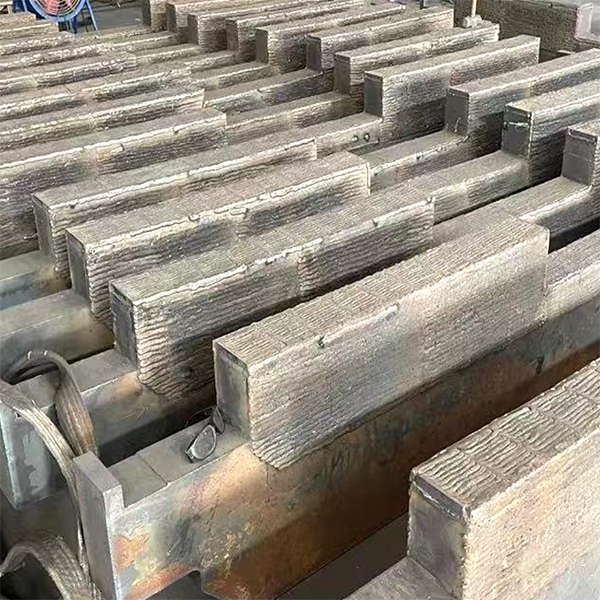
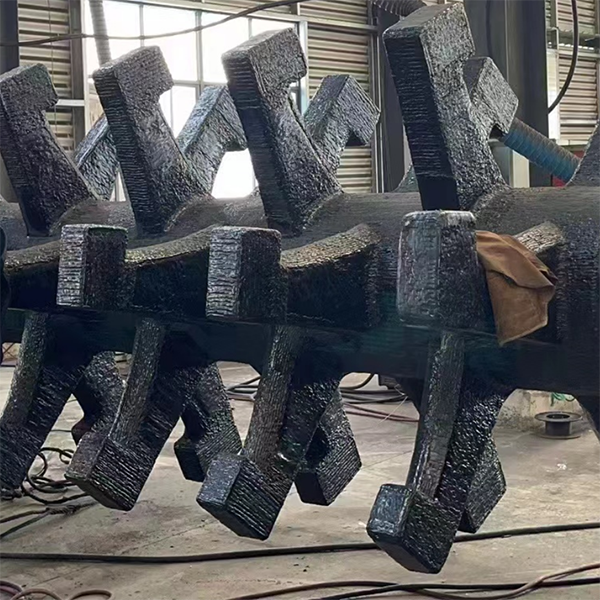
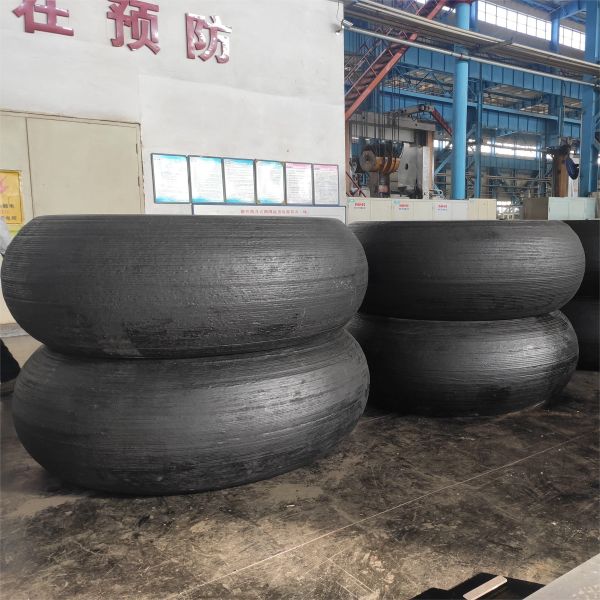
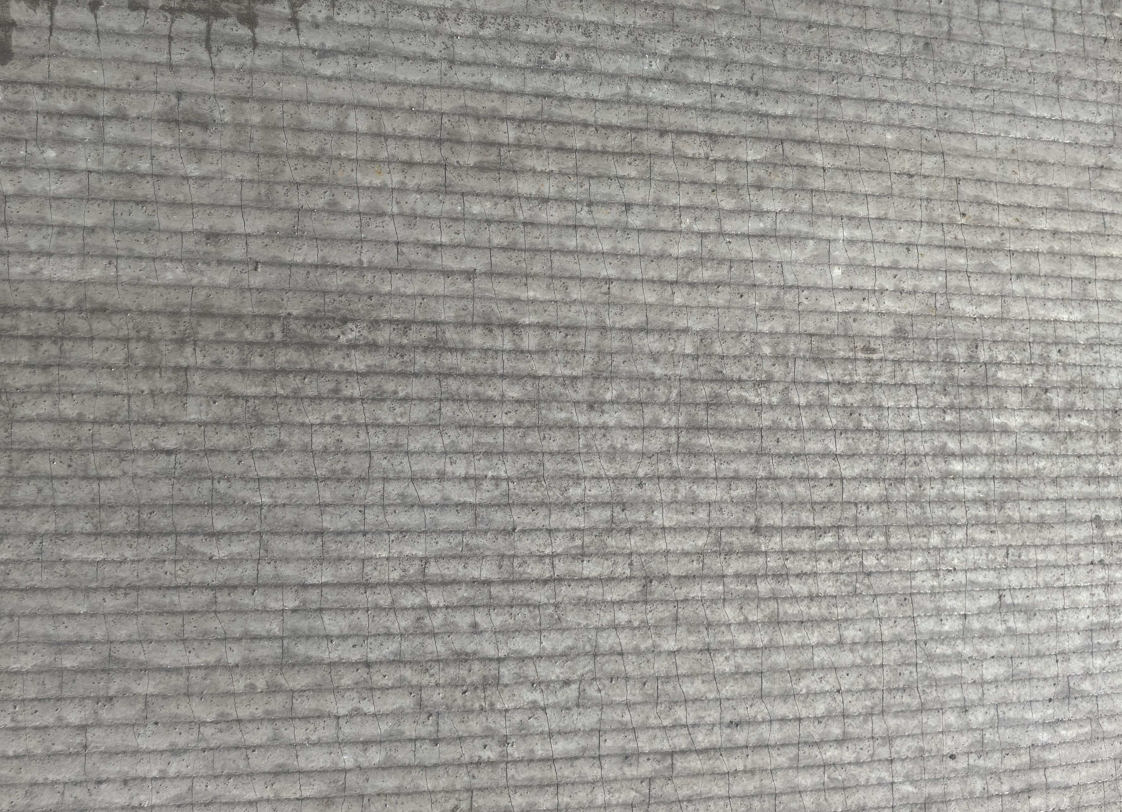
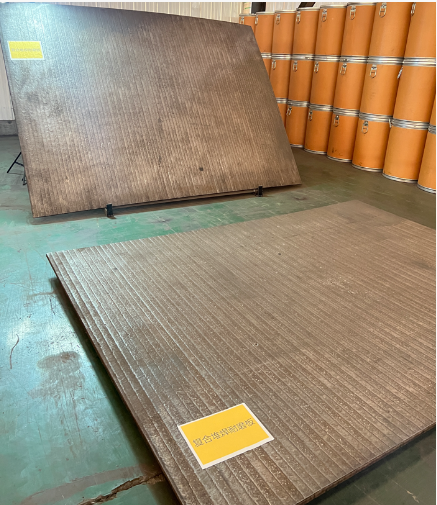
Advanced processing technology provides solid support for the implementation of customization. Xinyuan Botong has introduced a 30,000-watt large-scale laser cutting equipment to realize high-precision processing of wear-resistant parts with complex shapes. The dimensional tolerance is controlled within ±0.1mm without burrs or deformation, effectively reducing the cost of on-site installation and adjustment. It adopts plasma surfacing and hot-press sintering composite technology to prepare a uniform wear-resistant layer on the substrate surface, which improves the bonding strength by 30% and avoids the problem of easy peeling off in traditional welding. For hard and brittle materials such as high chromium, it uses ultrasonic-assisted processing technology to reduce cutting force, decrease edge chipping, and ensure product forming quality. In the mass customization link, the company adopts a flexible production line that can handle orders from different industries and with different specifications simultaneously. The cycle from drawing confirmation to finished product delivery is shortened to 7 days at the shortest, meeting the urgent replenishment needs of customers. In addition, by establishing exclusive process files for each batch of customized products and recording material formulations, processing parameters, and testing data, it realizes full-process traceability and provides a basis for subsequent optimization and upgrading.
The scenario-based application across the industry has verified the practical value of customized technology. In the mining industry, the chute liner customized for a large coal mine adopts a high-chromium alloy + transverse reinforcing rib structure, which successfully extends the service life from the original 1 month to 18 months, reduces the annual shutdown times to 1, and saves more than 4 million yuan in annual maintenance costs. In the metallurgical industry, the sinter conveying pipeline customized for a steel enterprise adopts ceramic-steel composite materials and high-temperature resistant structural design, which increases the service life by 3 times, reduces the annual replacement cost by 2.8 million yuan, and cuts the energy consumption by 10% compared with the previous level. In the port industry, the wear-resistant supporting rollers customized for bulk cargo terminals are adapted to humid and salty fog environments, with continuous operation time exceeding 8,000 hours, which is twice the service life of ordinary supporting rollers, greatly reducing the frequency of shutdowns for replacement. Relying on targeted customized solutions, Xinyuan Botong has established long-term cooperative relationships with many domestic and foreign mining, metallurgy, and port enterprises, and the market share of customized products is increasing year by year.
In addition to technological customization and innovation, Xinyuan Botong has also built a full-life-cycle service system to maximize the value of customization. In the early docking stage, it dispatches professional engineers to customer sites to survey working conditions, analyze wear laws, and provide consulting services on material selection and structural design. During the production process, it synchronizes the processing progress in real time and invites customers to participate in the inspection of key nodes. After delivery, it provides free installation guidance and operation training,
